

Understanding the Kenyan Electoral System
Structure of Elections in Kenya
Kenya’s electoral system is more than just a periodic national exercise—it’s a complex framework designed to reflect the will of millions of citizens across diverse regions, cultures, and socio-economic backgrounds. Every five years, Kenyans head to the polls to elect leaders at multiple levels, including the President, Members of Parliament, Governors, Senators, and Members of County Assemblies. This multi-tiered system ensures that governance is both centralized and devolved, allowing power to
At the heart of this structure lies the principle of representation. Each vote contributes to selecting leaders who shape policies, allocate resources, and influence the direction of the nation. Think of the electoral system as a massive engine—each registered voter acts as a spark plug. Without enough spark plugs, the engine sputters, and the system fails to deliver its intended outcomes. This is why voter registration is not just a bureaucratic formality; it is the gateway to participation in shaping Kenya’s future.
In the context of the 2027 general elections, the stakes are even higher. Kenya continues to evolve politically and economically, and the decisions made during this election cycle will significantly influence the country’s trajectory. Issues such as economic recovery, youth unemployment, healthcare access, and infrastructure development are all tied to leadership choices made at the ballot.
When citizens fail to register, they effectively silence themselves in this critical conversation. The structure of elections is designed to amplify voices—but only if those voices are officially recorded through voter registration. Without being registered, even the most passionate opinions remain unheard in the formal democratic process.
Role of the Independent Electoral and Boundaries Commission (IEBC)
The Independent Electoral and Boundaries Commission (IEBC) plays a central role in ensuring that elections in Kenya are conducted fairly, transparently, and efficiently. Established under the Constitution, the IEBC is tasked with responsibilities ranging from voter registration to the management and supervision of elections and referenda. It acts as the referee in the democratic game, ensuring that rules are followed and that outcomes reflect the true will of the people.
One of the most critical functions of the IEBC is maintaining an accurate and up-to-date voter register. This register serves as the backbone of any credible election. Without it, the risk of irregularities such as double voting, ghost voters, or disenfranchisement increases significantly. By registering as a voter, individuals contribute to the integrity of this database, making elections more transparent and trustworthy.
In recent years, the IEBC has embraced technological advancements such as biometric voter registration (BVR) systems. These systems capture fingerprints and facial data to ensure that each voter is uniquely identified. While these innovations enhance credibility, they also rely heavily on citizen participation. Technology alone cannot guarantee fair elections—active engagement from the population is essential.
The IEBC also conducts civic education campaigns to inform citizens about the importance of voter registration and participation. However, these efforts can only go so far without individual initiative. It’s like being handed a map but choosing not to embark on the journey—you have the tools, but the outcome depends on your action.
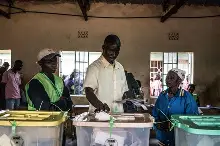

As Kenya approaches the 2027 elections, the role of the IEBC becomes even more crucial. Public trust in the electoral body hinges on transparency and inclusivity, both of which are strengthened when more citizens register and participate. Registering as a voter is not just about casting a ballot; it is about reinforcing the legitimacy of the entire electoral system.

